










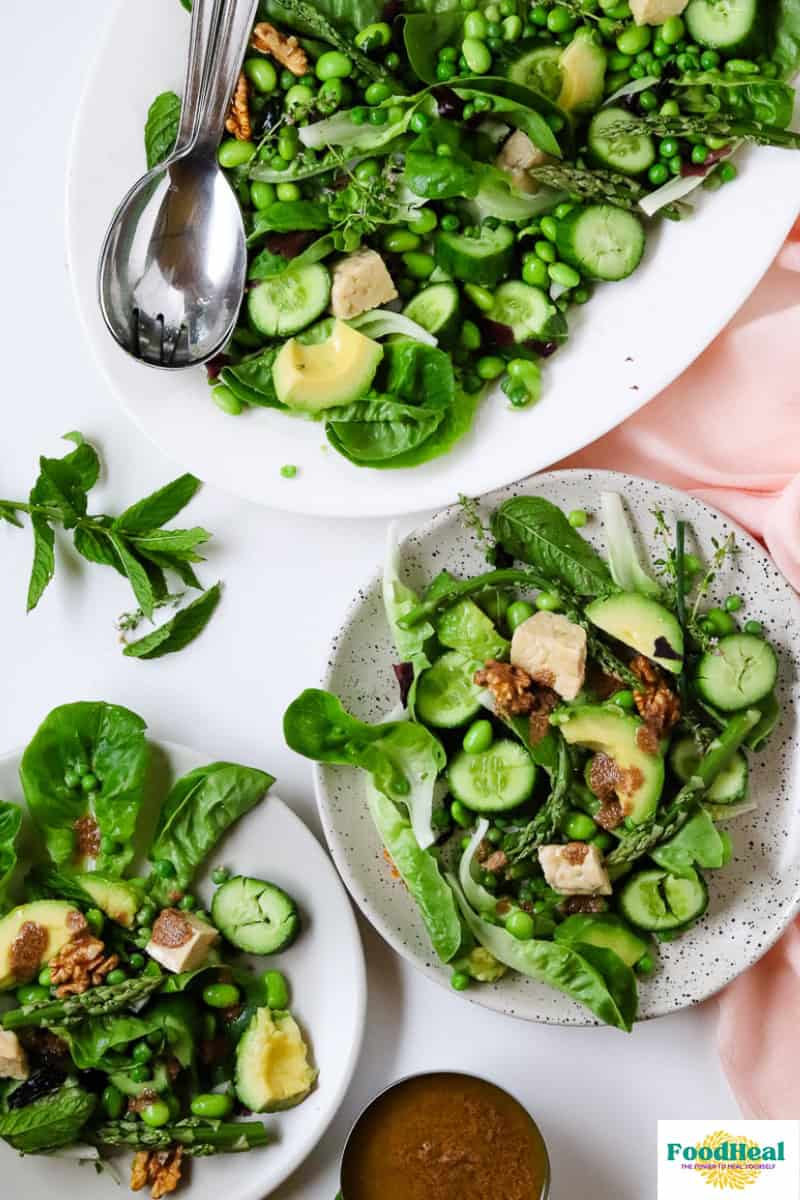
When living with rheumatoid arthritis (RA), food is not just about eating; it is about strategic healing. Have you tried asparagus in salads? Here's a beautiful, high-protein salad to help you reduce inflammation and build muscle.
Rheumatoid arthritis is a chronic autoimmune disease in which the immune system mistakenly attacks the joints, leading to inflammation, pain, stiffness, and progressive tissue damage. But what is often overlooked is that this inflammation is not isolated. It affects the entire body — from the gut to the brain, from the muscles to the bones.
This is why meals must go beyond “healthy” and become therapeutic.
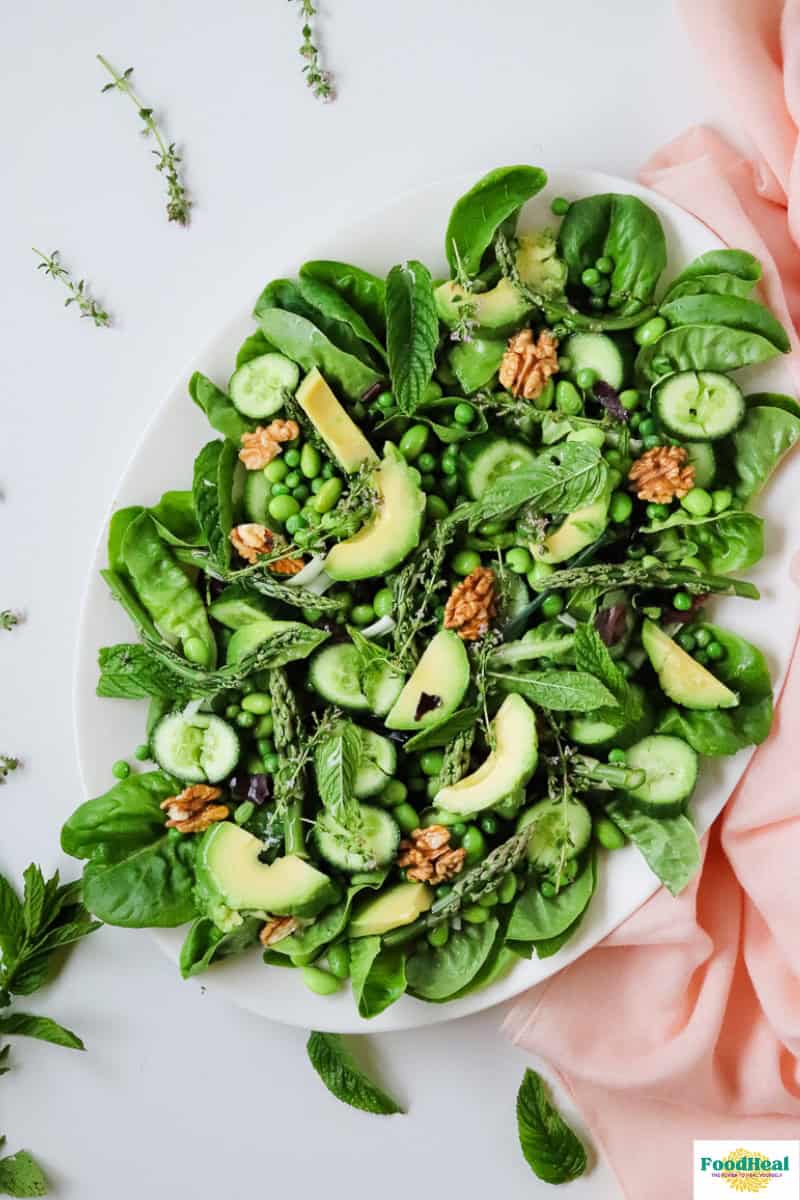
This asparagus salad is designed to do exactly that. It brings together hydration, plant-based protein, minerals, antioxidants, and anti-inflammatory compounds in one single bowl. Each ingredient has been chosen to support the body.
This asparagus salad:
* Supports tissue repair,
* Calms the immune system,
* Replenishes with nutrients.
It is a simple yet powerful anti-inflammatory salad.
Each Ingredient Supports Healing
🧬 1. Protein for Tissue Repair and Immune Balance
At the core of this salad are tempeh, edamame, and fresh peas — a trio of plant-based proteins that play a crucial role in rheumatoid arthritis.
RA often puts the body in a catabolic state, meaning it breaks down more tissue than it rebuilds. This includes muscle loss and even weakening of the structures supporting the joints.
Adequate protein intake is essential to:
* Preserve muscle mass (which stabilizes joints)
* Support collagen production and tissue repair.
* Maintain immune system balance.
Tempeh stands out because it is fermented, making it easier to digest and more supportive of gut health — a key factor in autoimmune conditions. Unlike many protein sources, which can feel heavy or inflammatory, these plant proteins nourish without burdening the body.
🥑 2. Healthy Fats to Calm Inflammation and Support the Brain
Avocado and walnuts bring in essential fats that are critical for managing inflammation.
Chronic inflammation in RA is driven by signaling molecules called cytokines. Certain fats can either worsen or calm this process. The fats in this cucumber salad are the kind that help reduce inflammatory signaling.
They also support:
* Brain health (reducing brain fog and fatigue)
* Hormonal balance
* Nervous system regulation
Walnuts, in particular, provide plant-based omega-3 fatty acids, which are known to have anti-inflammatory properties. Avocado provides vitamin E and monounsaturated fats, which help protect cells from oxidative stress. This combination helps the body shift from a state of stress to one of repair.
🌊 3. Mineral-Rich Ingredients to Rebuild What Inflammation Depletes
One of the hidden effects of chronic inflammation is mineral depletion.
Rheumatoid arthritis can drain key nutrients like magnesium, potassium, and iodine, which are essential for energy, muscle function, and metabolic balance.
This salad restores those through:
* Seaweed flakes (dulse, nori), which are rich in iodine and trace minerals
* Leafy greens and herbs (chives, thyme), which provide magnesium, calcium, and potassium
These minerals support:
* Muscle relaxation (reducing tension around joints)
* Proper nerve signaling
* Thyroid function and metabolism
When the body is remineralized, it becomes more resilient and better able to handle inflammation.
🦠 4. Gut Support: The Foundation of Autoimmune Healing
There is a strong connection between gut health and rheumatoid arthritis.
An imbalanced gut microbiome can contribute to immune dysregulation, increased intestinal permeability, and systemic inflammation.
This salad gently supports the gut through:
* Asparagus → a natural prebiotic that feeds beneficial bacteria.
* Cucumber and lettuce → hydrating and soothing to the digestive tract.
* Fresh peas → provide polyphenols that support the gut microbiome.
The goal here is to nourish the gut in a supportive way.
A healthier gut environment regulates the immune system, improves nutrient absorption, and reduces inflammatory triggers.
🌿 5. Herbs as Functional Anti-Inflammatory Medicine
The fresh herbs in this salad, mint, thyme, and chives, are more than flavor enhancers.
They are rich in polyphenols and antioxidants, compounds that actively fight oxidative stress and inflammation.
These herbs contribute to:
* Lowering inflammatory markers.
* Supporting detoxification pathways.
* Enhancing digestion.
Mint brings a cooling effect, thyme offers antimicrobial properties, and chives provide sulfur compounds that support cellular health. Together, they act as a gentle but effective layer of protection against chronic inflammation.
💧 6. Hydration: An Overlooked Key to Reducing Pain
Hydration is often underestimated in chronic illness, yet it plays a crucial role in inflammation management.
This salad is naturally rich in water-dense foods like cucumber, lettuce, and fresh herbs.
Adequate hydration supports joint lubrication, nutrient transport, and elimination of metabolic waste.
When cells are well hydrated, they function more efficiently, and inflammatory processes are less likely to escalate.
🌰 7. Antioxidant Support to Protect Against Cellular Damage
RA is associated with increased oxidative stress, which damages cells and accelerates tissue aging. Ingredients like walnuts, fresh greens, and herbs provide antioxidants that neutralize free radicals, protect joint tissues, and slow the progression of inflammatory damage. This protective effect is essential for long-term joint health and overall vitality.
✨ Conclusion: A Simple Salad with Powerful Healing Strategy
This asparagus salad is a functional meal that provides the body with what it truly needs to heal. For someone living with rheumatoid arthritis, meals like this can become a foundation for:
* Reducing inflammation naturally.
* Supporting energy and mental clarity.
* Protecting joints and maintaining mobility.
* Rebuilding strength over time.
It works because it addresses the root imbalances, which are;
* Chronic inflammation
* Nutrient depletion
* Gut dysfunction
* Oxidative stress
And it does so in a gentle, nourishing, and sustainable way.
Healing does not come from one superfood or one perfect diet. It comes from consistent, intentional meal choices that support the body, and this asparagus salad is one of those choices.
Because you’ve the power to heal, Githu.
Here Are More Salads For You
📖 Recipe

High-Protein Asparagus Salad
Equipment
- 1 Chopping board
- 1 kitchen knife
- 1 salad platter
- 2 Salad spoons
- 1 Small bowl
Ingredients
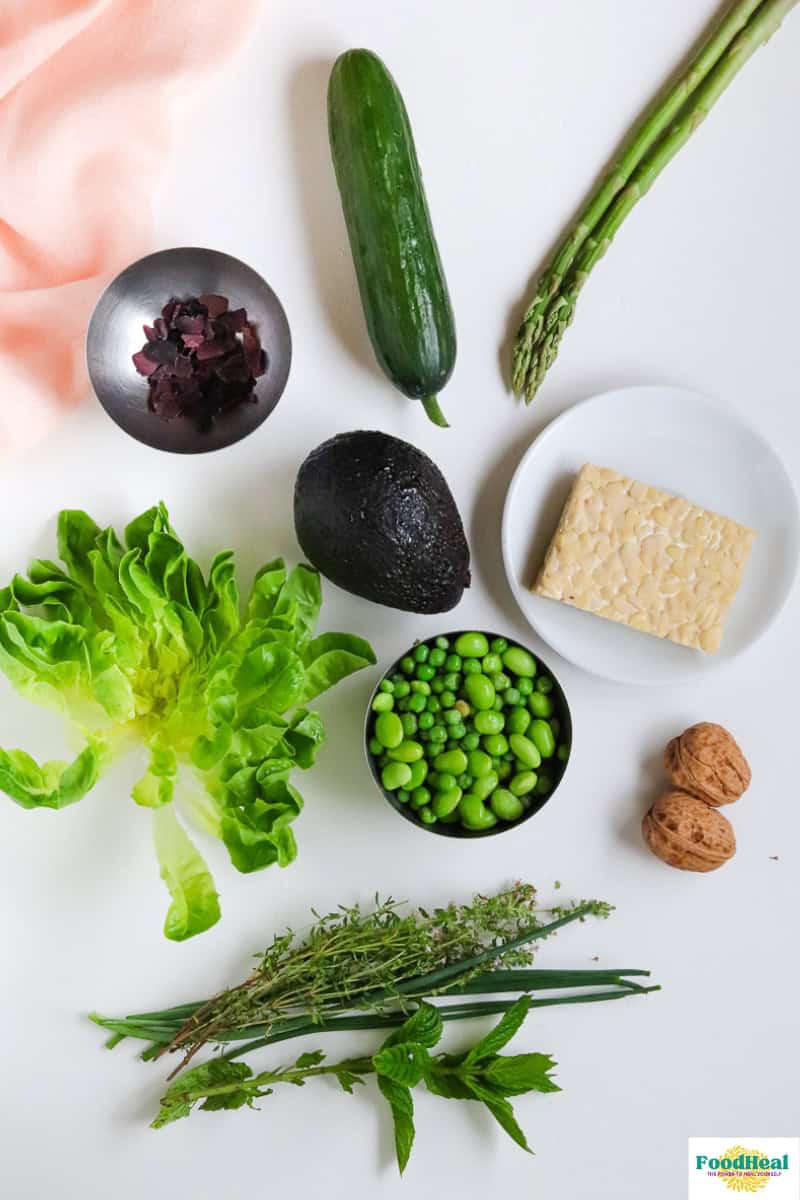
- a small lettuce salad
- 6 asparagus (use only the tips)
- 1 small cucumber
- 1 cup frozen/fresh peas
- 1 cup frozen/fresh edamame
- 100g tempeh
- 1 medium avocado
- 1 tablespoon mix of seaweeds (dulse, nori)
- a few walnuts
- herbs of choice (thyme, mint, chives)
- ½ a lemon
- a pinch of sea salt
Tahini sauce
- 1 tablespoon tahini (Natural, no other ingredients)
- 1 tablespoon olive oil
- ½ teaspoon miso (I use black/long fermented)
Instructions
Tahini sauce
- Put all the ingredients in a small bowl and stir till well mixed. Set aside.
High-Protein Asparagus Salad
- Thaw the peas and edamame an hour beforehand
- Clean the veggies and avocado, then pat them dry with a kitchen towel.
- On a platter or in a salad bowl, arrange the lettuce leaves, chopped cucumbers, asparagus tips, tempeh cut into cubes, peas, and edamame.
- Open the avocado into halves and remove the seed. Slice the avocado and place it on the veggies. Squeeze the lemon on top to reduce oxidation.
- Prepare the herbs of your choice and sprinkle them with the seaweed on top. Add the walnuts.
- Do not add salt: Let each person add salt according to their taste, as miso is already salted.
- Set the platter at the table and place the tahini sauce next to it.
Notes
- You can prepare the ingredients for this salad the day before, but keep in mind that once the veggies and fruits are prepped, they start losing their nutrients!
- Ideally, prepare only what can be consumed at a single sitting to avoid degrading nutrients with further storage.
Comments
No Comments