










I get asked so often how and what I actually eat every day; not the pretty version for a blog post but what’s really in my fridge. So, today, I want to talk about beetroot, because it's one of those foods that I have come to rely on ever since I discovered its health benefits, especially when you have an autoimmune disease.
Are beets good for you?
Beetroot contains betalains, the deep red-purple pigments that help protect the plant and act as antioxidants inside the body. These compounds help defend cells against oxidative stress, a process that can contribute to persistent inflammation and tissue damage.
Beets are also among the richest vegetable sources of dietary nitrates. After you eat them, bacteria in your mouth begin converting these nitrates into nitrites, which the body then uses to produce nitric oxide.
Nitric oxide helps blood vessels relax and supports the delivery of blood, oxygen, and nutrients throughout the body. That makes beetroot particularly interesting when supporting cardiovascular health, circulation and physical performance.
But how you eat beetroot matters.
Roasting brings out its natural sweetness. Eating it raw preserves its crisp texture and heat-sensitive nutrients. Blending retains the fiber, while juicing creates a more concentrated drink with less fiber. Fermenting introduces beneficial microorganisms, and combining beetroot with other nutrient-dense ingredients can create an even more nourishing meal.
This is especially helpful on days when inflammation, pain, or fatigue affects how much energy you have for food preparation. You don’t need one perfect beetroot recipe or a complicated routine. You need practical options that fit different energy levels while helping you consistently add more nourishing foods to your diet.
Here are 7 of the healthiest ways to eat beetroot—from fresh salads and smoothies to warming cooked dishes and convenient options for days when standing in the kitchen feels like too much.
Here's how I consume beetroot;
1. Roasted beet salad with walnuts and tofu
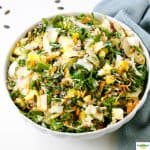
I roast (at 180°C for 30 minutes or until tender) or boil beets whole, then add a handful of walnuts and patted-dry, firm organic tofu to a bowl. You don’t need to peel your beets if you’re sure the farmers you source them from aren’t using chemical pesticides, or if you’re growing them yourself. Once they've cooled, put them in the fridge and use them all week.
The dressing is just olive oil, plus a splash each of soy sauce and apple cider vinegar, shaken in a small jar. Toss it all together with lettuce. It goes well with brown rice, quinoa, or homemade bread if you want to make it a full meal. Fair warning, the beet juice will stain everything else on the plate.
2. Sweet raw beet and dried apricot salad
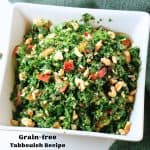
All beet recipes come together quickly, but this is one I make often because it’s extra fast. My kids never wanted to touch raw beets, and honestly I understood; raw beet is bitter on its own.
So I started combining grated raw beet with dried apricots, and now they'll eat a spoonful or two without complaint. It takes minutes, requires no cooking, and works as a light appetizer alongside brown rice or buckwheat.
3. Post-workout beet smoothie
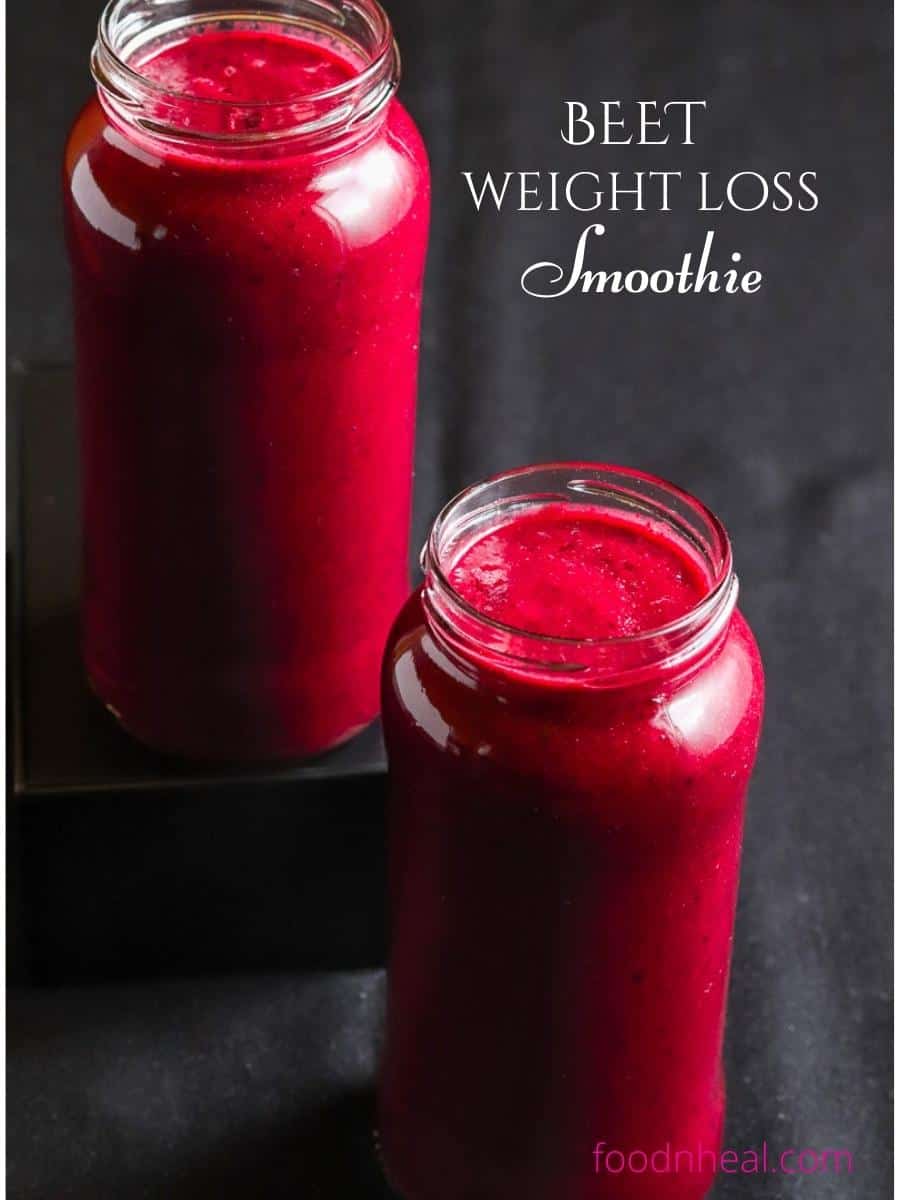
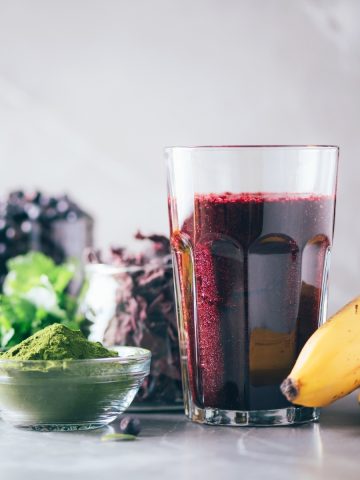
Here’s another really quick option. When I want the flavor and health benefits of beetroot in liquid form—yes, I actually enjoy its earthy taste—I blend one cup of raw beetroot with either spinach, cilantro, prunes, and mixed berries, or cucumber, apricots, cashews, and chia seeds for a nutrient-rich addition to my day.
Sometimes, I replace the spinach with kale and arugula, which are lower in oxalates. Oxalates in spinach can reduce the absorption of certain minerals, particularly calcium, from the same meal. I use the whole lemon, including the peel and seeds, but you can remove them if you prefer a less bitter flavor.
I love adding a little ginger and mint for extra flavor and digestive support. I don’t peel the vegetables because I wash them thoroughly, but feel free to peel yours if that’s what you prefer.
4. Beet, carrot, and turmeric juice
This is what I do for some cleansing. 1 beet, a few carrots, a couple of oranges, an inch of ginger, and a small piece of turmeric; put these in a juicer. Vitamin overload.
If you don't have a juicer, a blender works too; squeeze the oranges first, blend everything with that juice, then strain it.
5. Roasted butternut and beet salad
This one takes a bit more time since you’re roasting the butternut and the beets separately and sautéing some broccoli florets, but it’s worth it, trust me.
I add nutritional yeast for a cheesy flavor, capers for tang, lemon zest, and a small dust of cayenne if I’m in the mood for a kick. The dressing is an oregano vinaigrette made with coconut or balsamic vinegar.
You can add goat cheese if you like; I’d skip feta here, it’s too salty for this combination.
6. Blueberry beet breakfast smoothie
This one takes two steps, but it’s my favorite weekend breakfast.
First I juice swiss chard stems, celery, beet, and purple carrots together, since the chard stems are too fibrous to blend well on their own.
Then I blend that juice with apple, chia seeds, and frozen blueberries. It takes longer than a regular smoothie, but it keeps me full until lunch, and it’s a good way to use up chard stems instead of tossing them.
7. Beetroot gummies with extra nutrients
Some days, especially when you’re dealing with pain or fatigue, none of the options above feels realistic. You’re not juicing or roasting anything—you’re barely able to stand at the kitchen counter.
On days like these, a convenient supplement can help you add certain nutrients and plant compounds to your routine with very little preparation.
Beetroot Gummies from Nutravea are an option.
Each serving of two gummies provides 500 mg of 5:1 beetroot extract, made from approximately 2,500 mg of beetroot. The gummies also contain:
- CoQ10, which plays a role in cellular energy production
- Folate, which supports nutrient metabolism and red blood cell formation
- Açaí and bilberry, which provide polyphenols
- L-citrulline, an amino acid involved in the body’s nitric oxide pathway
The gummies are made in Canada and licensed by Health Canada as a Natural Health Product (NPN 80135042).
Gummies and other supplements should complement—not replace—nutritious whole foods. Always check the ingredients and quantities to decide whether a product fits your individual needs.
Get some Beetroot Gummies.
You've the power to heal. Catherine.



Comments
No Comments