






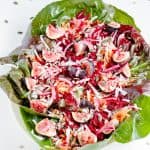


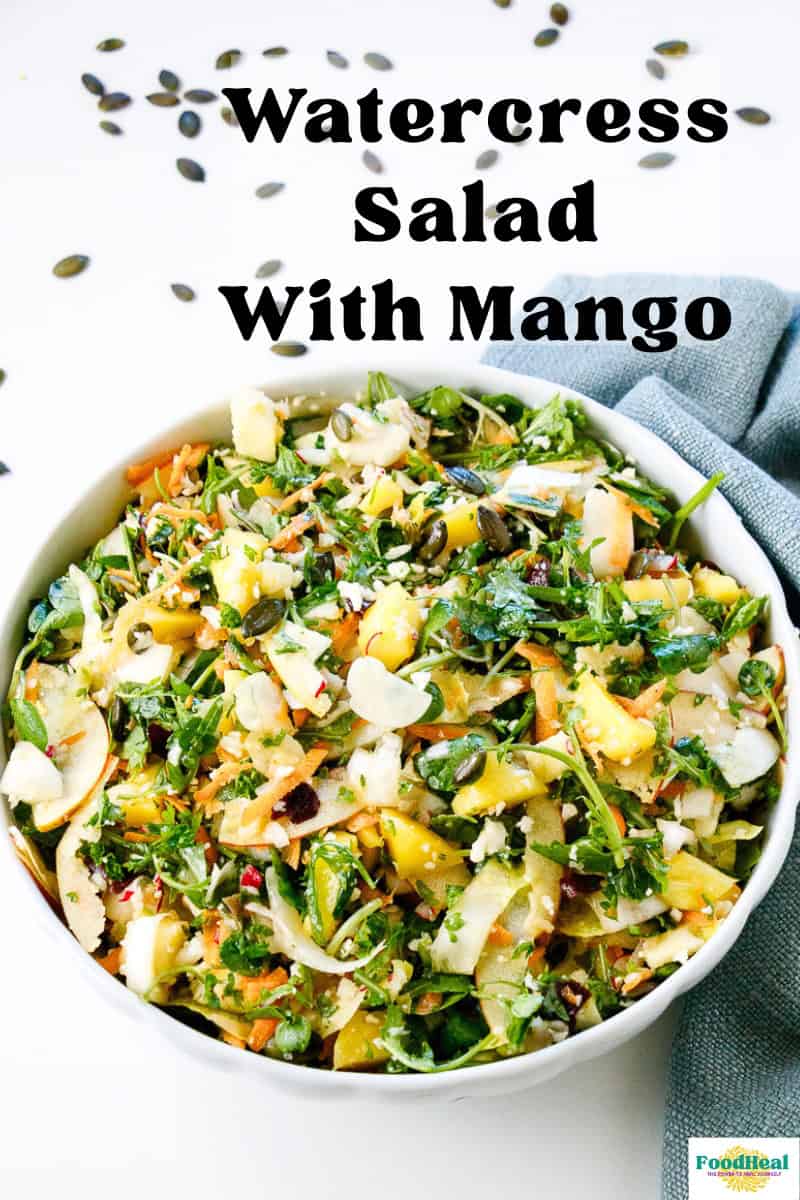
This fresh and crunchy arugula salad combines the sweetness of mango and apple with the peppery, bold flavors of arugula and watercress. Every bite delivers a balance of textures —crisp radishes and cauliflower, juicy fruit, and nutty pumpkin seeds—while flooding the body with antioxidants, polyphenols, minerals, and anti-inflammatory compounds.
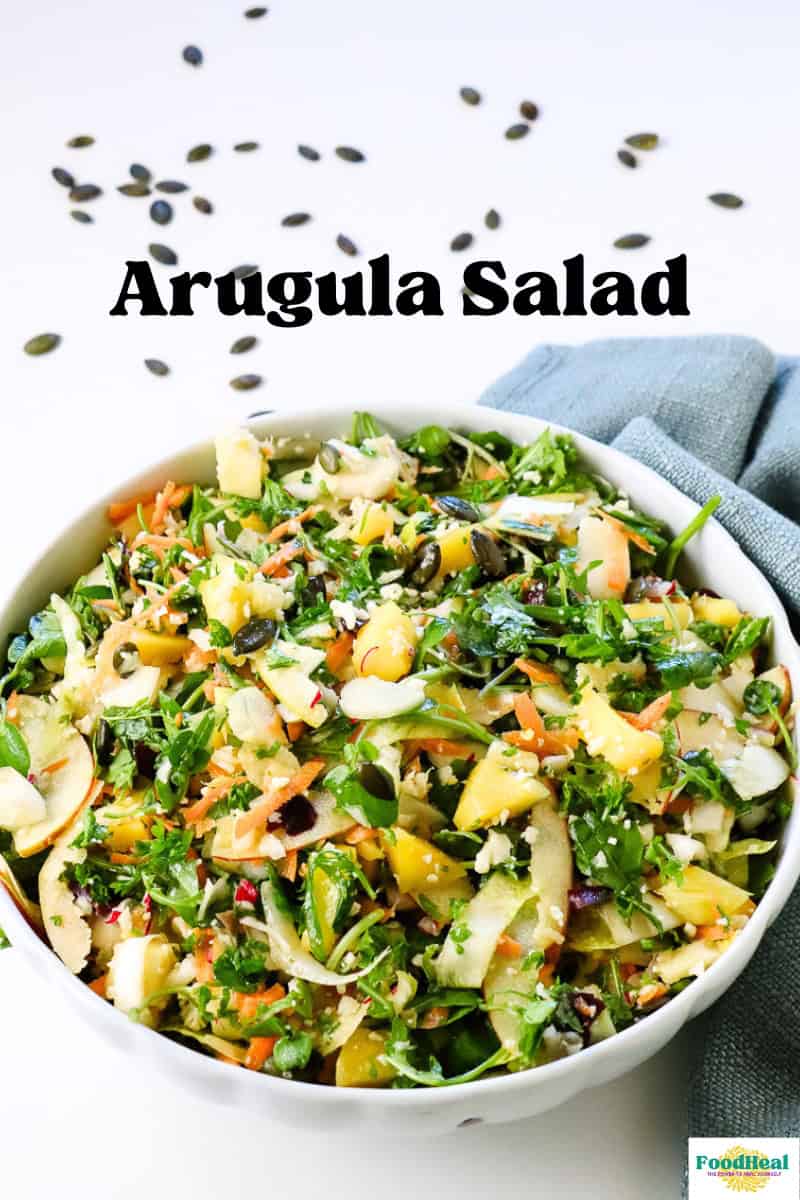
Unlike many mostly decorative salads, this arugula salad is deeply functional. The ingredients work together to support immune balance, protect cells from oxidative stress, nourish the gut microbiome, and help calm inflammatory pathways linked to chronic diseases such as rheumatoid arthritis, cardiovascular disease, metabolic dysfunction, and even certain cancers.
Why This Salad Is Rich in Antioxidants and Anti-Inflammatory Compounds
🥬 Arugula and Watercress: Powerful Cruciferous Greens
Arugula and watercress belong to the cruciferous vegetable family, known for their glucosinolates, sulfur-containing compounds.
They contain natural plant compounds that act as tiny bodyguards. These compounds may help:
- Calm the body's inflammation.
- Protect DNA from oxidative stress-induced damage.
- Support liver detoxification enzymes to clear waste and toxins.
- Support the immune system.
Watercress is especially powerful because it contains natural substances that scientists have studied for their ability to help protect the body and support long-term health.
These greens are also excellent sources of Vitamins C, B9, and K, carotenoids, and chlorophyll. All of which support immune health, collagen formation, blood vessels, and tissue repair.
🥭 Mango: Polyphenols and Carotenoids
Mango adds natural sweetness and is also rich in bioactive compounds such as mangiferin, quercetin, beta-carotene, and vitamin C.
Mangiferin has been studied for its antioxidant and anti-inflammatory effects, including its ability to reduce oxidative stress and to inhibit the production of inflammatory cytokines.
The carotenoids in mango also help protect cells from free radical damage while supporting skin, immune, and eye health.
🍎 Apples: Quercetin and Gut-Friendly Fiber
Apples contain quercetin, one of the most researched flavonoids in nutrition science. Quercetin has demonstrated:
- Anti-inflammatory effects
- Mast cell stabilization properties
- Antioxidant protection
- Potential benefits for immune regulation
Apples also provide pectin, a soluble fiber that feeds beneficial gut bacteria. A healthier gut microbiome is associated with lower systemic inflammation and better immune balance.
🌱 Seaweed: Mineral Density and Unique Antioxidants
In this arugula salad, I used a combination of seaweeds like dulse, nori, and sea lettuce, which provide important minerals such as iodine, magnesium, potassium, and calcium, which support thyroid health, energy, hydration, and immune function.
They also contain natural antioxidants and protective plant pigments that help protect cells from oxidative stress and offer anti-inflammatory compounds.
The iodine content supports thyroid function, which is essential for metabolism, energy, and hormonal balance.
🌿 Parsley: Apigenin and Vitamin C
Parsley is more than a garnish, and I love it for its apigenin, luteolin, vitamin C, and chlorophyll. Apigenin has been studied for its ability to help regulate inflammatory responses and reduce oxidative stress.
Parsley also supports detoxification and offers additional antioxidants that help neutralize free radicals. To enjoy these benefits, aim for ¼ cup or more per day.
🎃 Pumpkin Seeds: Magnesium and Zinc
Pumpkin seeds, also known as pepitas, are among the richest plant foods in zinc. They also contain a good amount of magnesium, vitamin E, and plant sterols, which may help lower cholesterol levels and support heart health by reducing cholesterol absorption in the intestines.
Magnesium plays a critical role in hundreds of biochemical reactions and is involved in:
- Nervous system regulation
- Muscle relaxation
- Energy production
- Inflammation control
Zinc, on the other hand, is essential for immune function and tissue repair, while vitamin E acts as a fat-soluble antioxidant that helps protect cell membranes from oxidation.
🫚 Ginger: One of the Most Studied Anti-Inflammatory Foods
Ginger contains gingerols and shogaols, compounds widely studied for their anti-inflammatory properties.
Research suggests ginger may help:
- Reduce inflammatory markers
- Support digestion
- Reduce oxidative stress
- Ease joint discomfort due to inflammation
Some studies have even compared certain mechanisms of ginger with non-steroidal anti-inflammatory pathways, though more naturally and gently.
🥕 Carrots and Cauliflower: Additional Antioxidant Protection
Carrots provide beta-carotene, a precursor to vitamin A that supports immune function and protects tissues from oxidative stress. Cauliflower contributes additional glucosinolates and fiber, supporting detoxification pathways and gut health.
Why Combining These Foods Helps Reduce Inflammation
What makes this salad especially powerful is the synergy among the ingredients. This salad is rich in;
- Polyphenols
- Carotenoids
- Sulfur compounds
- Vitamin C
- Fiber
- Minerals
- Healthy fats from olive oil
Olive oil helps increase the absorption of fat-soluble antioxidants such as carotenoids and vitamin E, making the nutrients more bioavailable.
Together, these ingredients create a nutrient-dense salad that;
- Lower oxidative stress.
- Feed the gut microbiome.
- Reduce inflammation
- Protect against cellular damage.
- Offer stable energy that keeps you satiated for hours.
This is the kind of food that nourishes the body deeply while still tasting refreshing, balancing sweetness and peppery flavors. 💚
Remember, you’ve the power to heal. Githu.
Check Out These Wonderful Salads
- Irresistible Simple watercress salad
- Kale Green Salad
- Cucumber Avocado Salad
- The Most Delicious Black Lentils Salad
📖 Recipe
Watercress Arugula Salad
Equipment
- kitchen knife
- Salad spoons
Ingredients
- ¾ cup grated raw cauliflower florets
- 5 pink radishes
- 1 medium carrot
- 1 small endive
- 1 or 2 apples
- ½ a mango or a small-sized mango
- 2 cups arugula
- 1 cup watercress
- 1 tablespoon mixed seaweeds (dulse, nori & sea lettuce)
- ¼ cup chopped parsley
- 2-3 tablespoon pumpkin or sunflower seeds
- a small part of ginger
- 2 tablespoon olive oil
- some sea salt
- ½ a lemon (optional)
Instructions
- Make sure all the veggies and fruits are thoroughly cleaned.
- Use the grater to grate the cauliflower, carrot, radishes, and ginger.
- Use the vegetable peeler to slice the apples. This makes the salad easy to chew.
- Chop the endive and mango into small bites
- Use your hands to tear the arugula and watercress
- Put all the ingredients into a bowl and use the salad spoons to mix well.
- Serve and enjoy.
Notes
- Buy young arugula and watercress because they are easy to chew.
- I normally eat large portions of salads, and I found that squeezing the salad with my hands after combining everything not only reduces its volume but also makes it easier to chew.
- You can, of course, prepare the salad some hours ahead. If you want to meal prep, only prepare the ingredients; mix the salad the day you eat it. Keep in mind that chopping food starts the oxidation process, and even if the fridge slows it down, you still end up with fewer nutrients than with freshly cut.


Comments
No Comments