












Recovery is one of the most important aspects of long-term health. Whether someone is recovering from an injury, surgery, or persistent musculoskeletal problems, the body relies on a complex network of biological processes to repair damaged tissue. Nutrition, sleep, rehabilitation, and appropriate medical care remain central to that process. At the same time, researchers continue investigating biological pathways that may help explain how tissue repair occurs and how those mechanisms could eventually inform future medical research.
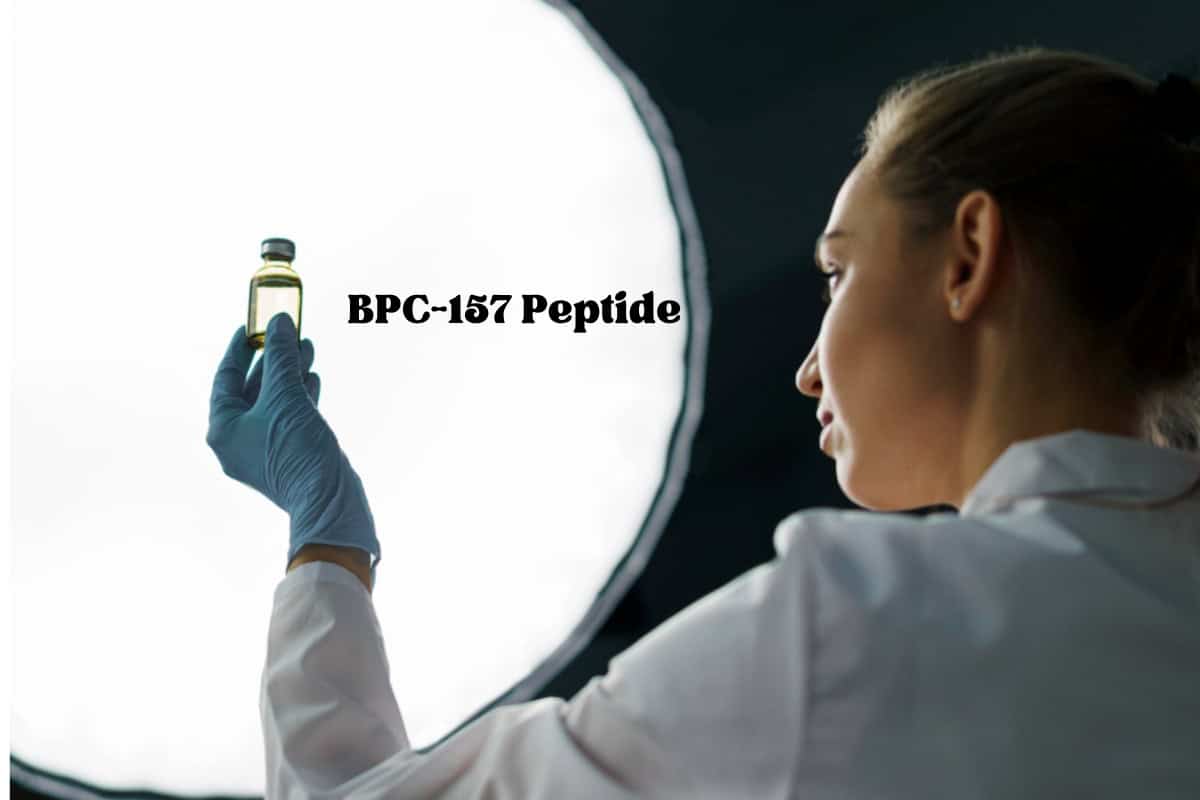
One area attracting scientific interest involves peptides, short chains of amino acids that can act as signaling molecules throughout the body. Among the compounds being investigated is BPC-157, which has been studied primarily through laboratory and animal models rather than established human clinical trials.
BPC-157 is an experimental research compound. It is not yet approved as a treatment for injuries, gastrointestinal conditions, or autoimmune diseases. Established human dosing and long-term safety information are currently unavailable.
What Are Peptides?
Peptides are chains of amino acids involved in many biological functions. Different peptides participate in various signaling systems, including endocrine regulation, immune processes, and intercellular communication. Their biological diversity is precisely why they are studied individually rather than treated as a single class with uniform effects.
In experimental research, scientists investigate peptide pathways associated with tissue biology, metabolism, inflammation, and other physiological processes. Findings involving one peptide, however, cannot automatically be applied to another, and promising results from laboratory experiments do not establish that a compound is safe or effective for people.
That distinction is especially important with BPC-157. That distinction is especially important with BPC-157. A 2025 systematic review identified 36 musculoskeletal studies: 35 were preclinical, and only one was a small retrospective human study.
Tissue-Repair Research Is Predominantly Preclinical
Much of the interest surrounding BPC-157 originates from experimental work examining tendon and muscle repair.
A study involving rat Achilles tendon tissue and isolated tendon fibroblasts investigated whether BPC-157 affected fibroblast outgrowth, survival, and migration. Researchers reported changes in several cellular processes associated with tendon repair, but the work involved ex vivo and in vitro models rather than a human clinical trial. This study was conducted in rats and should not be interpreted as evidence of effectiveness in humans.
Earlier research also examined transected Achilles tendons in rats and reported differences in biomechanical, functional, and microscopic measures of healing following experimental administration of BPC-157. These findings contribute to hypotheses about possible tissue-repair mechanisms, but animal results cannot be assumed to predict therapeutic benefit or safety in humans.
Muscle healing has also been investigated in animal models. One study examined transected and crushed quadriceps muscle in rats and reported improved healing measures after experimental BPC-157 exposure. Again, this was preclinical work, not evidence of an approved treatment for human muscle injuries.
What Does The Research Say About Blood-Vessel Formation?
Angiogenesis, the formation and regulation of new blood vessels, is an important component of tissue healing. Researchers have examined whether BPC-157 interacts with this process, but the findings require careful interpretation. An experimental study using both cell culture and animal models investigated this question and reported modulation of angiogenesis during healing.
One study used both cell culture experiments and animal models of injured muscle and tendon. The researchers reported no direct angiogenic effect in cell culture, while tissue analysis in BPC-157-treated animals suggested modulation of angiogenesis during healing.
Another rat study examining Achilles tendon-to-bone healing reported early formation of new blood vessels alongside functional recovery. These findings are scientifically interesting because they may help researchers investigate possible mechanisms in future human research.
Maintaining that distinction is essential. Preclinical studies are useful for identifying mechanisms worth investigating further, but controlled human research is necessary before therapeutic conclusions can be made.
Gastrointestinal Findings Also Come Mainly From Animal Research
BPC-157 has a long history within experimental gastrointestinal research. Published studies have investigated gastric and intestinal tissue responses, intestinal anastomoses and fistula healing, particularly in rats.
A review of experimental work described findings involving intestinal anastomoses and several types of gastrointestinal fistulas in rat models. Another body of experimental research has examined gastric and duodenal lesions in rats, contributing to hypotheses about BPC-157's potential interaction with gastrointestinal tissue repair processes.
More recent reviews continue to discuss gastrointestinal wound-healing research, but the underlying evidence remains heavily dependent on preclinical models.
These studies should therefore not be interpreted as demonstrating that BPC-157 is an established treatment for ulcers, intestinal injuries or other gastrointestinal conditions in people. Robust human clinical evidence would be needed to establish effectiveness, dosing, contraindications and long-term safety.
Why This Research May Interest People With Autoimmune Conditions.
People living with autoimmune conditions such as rheumatoid arthritis, lupus or inflammatory bowel disease may find this research particularly interesting because these conditions can involve persistent inflammation, tissue damage and, in some cases, changes in gastrointestinal health. Experimental studies have investigated whether BPC‑157 influences inflammatory signaling, intestinal tissue repair and musculoskeletal healing. However, there is currently no reliable human evidence that BPC‑157 treats rheumatoid arthritis, lupus, or any other autoimmune disease, reduces autoimmune activity, or prevents organ and joint damage.
Research Materials And Scientific Transparency
As peptide research expands internationally, laboratories need well-characterized materials and reliable information about what they are studying. Documentation can include product specifications, analytical test results, batch identification, and Certificates of Analysis, where applicable.
Researchers investigating tissue repair biology may encounter resources that discuss peptides for healing when reviewing research-grade materials and compounds currently being examined in preclinical studies. In this context, the phrase refers to an area of laboratory investigation, not to an established therapeutic claim or recommendation that experimental peptides should be used to treat injuries.
Clear terminology matters because access to a research compound does not establish medical efficacy. The quality of the research material and the strength of the clinical evidence supporting a treatment are separate questions.
Local Suppliers Can Support Laboratory Research
Regional suppliers can reduce some of the logistical challenges laboratories face when sourcing specialized research materials. Peptides Costa Rica provides peptide materials for research customers in Costa Rica, including BPC-157 and other compounds used in laboratory investigation.
Peptides Costa Rica supplies research-grade materials intended for laboratory research, not personal or therapeutic use.
That disclosure is fundamental. Availability through a research supplier does not indicate that BPC-157 is an approved medicine, establish a clinically appropriate dose, or demonstrate that it is safe for personal use. Any future therapeutic application would require appropriate regulatory evaluation together with sufficiently rigorous evidence from human studies.
Recovery Still Depends On Established Fundamentals
Experimental peptide science should be considered within the much broader field of recovery research. For people recovering from injury or surgery, established medical care, suitable rehabilitation, adequate nutrition and sufficient sleep remain central considerations.
Protein supplies the amino acids required for normal tissue maintenance, while vitamins and minerals support numerous physiological processes involved in health and recovery. Rehabilitation programs are usually tailored to the specific injury, procedure, and stage of recovery, making professional medical guidance particularly important.
Emerging laboratory research can expand scientific understanding, but it should not displace treatments and recovery practices supported by stronger clinical evidence.
Transparency Matters More As Interest Grows
Public attention can move much faster than scientific evidence. Experimental compounds sometimes become widely discussed online while fundamental questions about human dosing, interactions, adverse effects, and long-term safety remain unanswered.
BPC-157 illustrates why careful communication is necessary. The FDA specifically raises concerns about potential immune reactions, peptide-related impurities, and active ingredient characterization in compounded BPC-157, while noting that the available information is insufficient to determine whether the compound could cause harm when administered to humans.
Responsible discussion, therefore, requires more than merely mentioning promising experimental results. Readers also need to know where the evidence came from, whether humans were studied, what remains unknown, and what regulators have said about potential safety concerns.
Research Is Still At An Early Stage
BPC-157 remains a subject of ongoing preclinical research on tissue repair mechanisms. Laboratory and animal studies have generated hypotheses regarding tendon and muscle repair, vascular responses, and gastrointestinal tissue healing, but these findings should not be conflated with established clinical effectiveness.
The available literature illustrates an important feature of biomedical research: promising laboratory findings are the beginning of a scientific question, not the end. Well-designed human trials would be necessary to establish whether observed effects translate to people and to determine appropriate dosing, adverse effects, contraindications, and long-term safety.
For now, the most accurate way to discuss BPC-157 is as an experimental research compound. Continued investigation may improve understanding of the biological mechanisms involved in tissue repair, but transparent reporting, rigorous evidence, and a clear separation between laboratory research and approved medical treatment remain essential.



Comments
No Comments